-
English
-
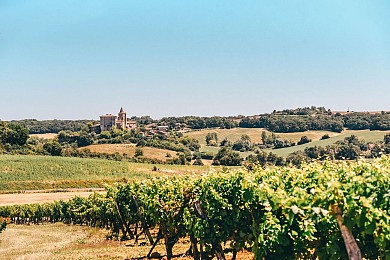
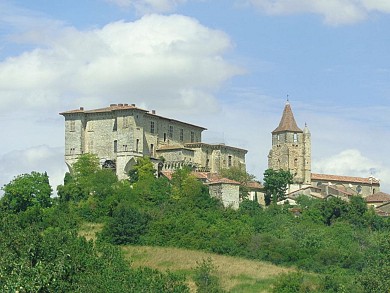
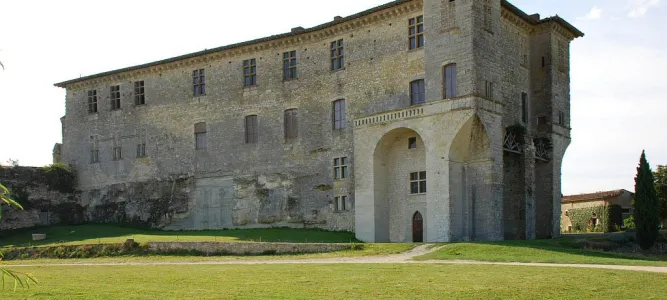
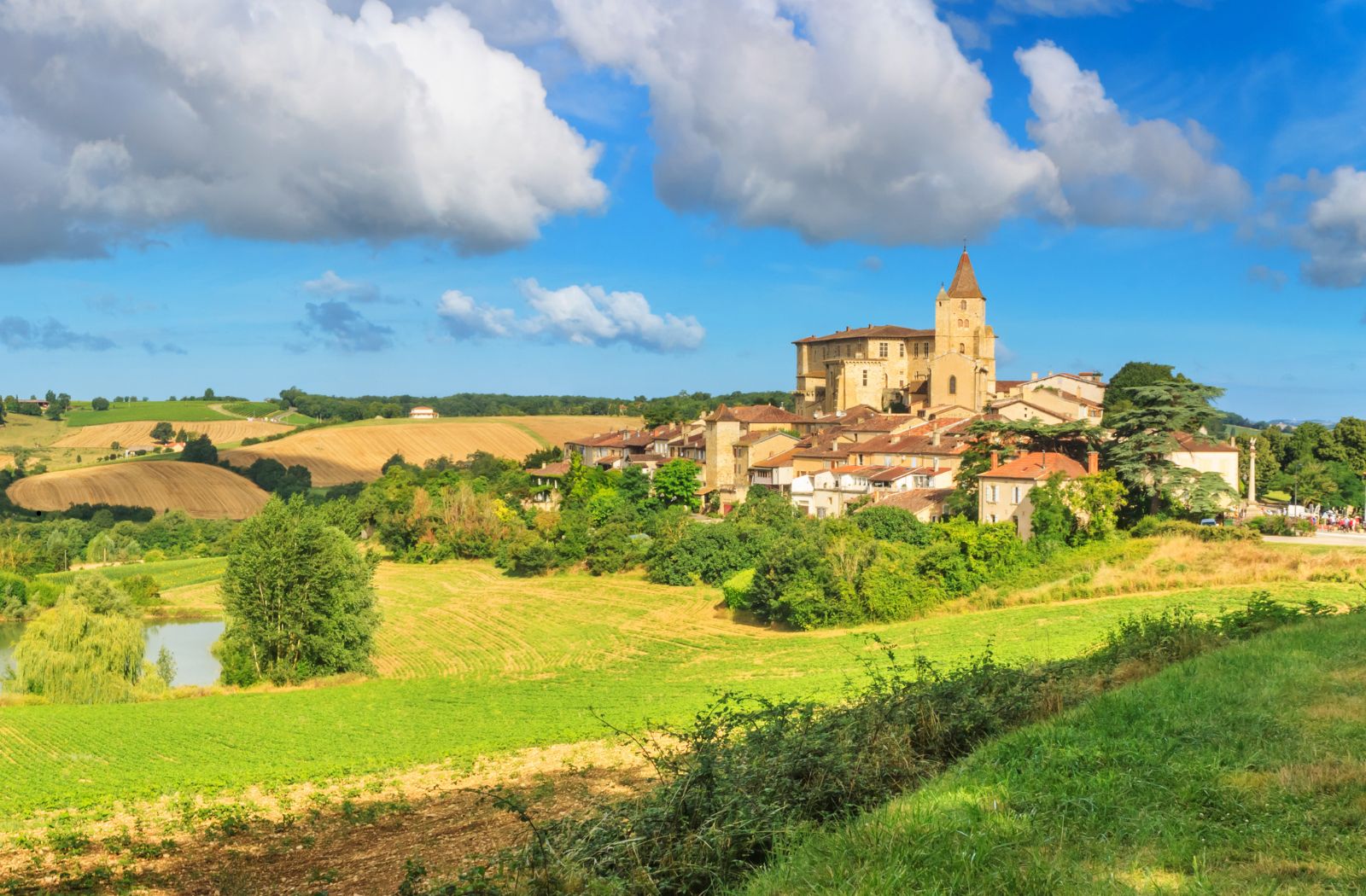
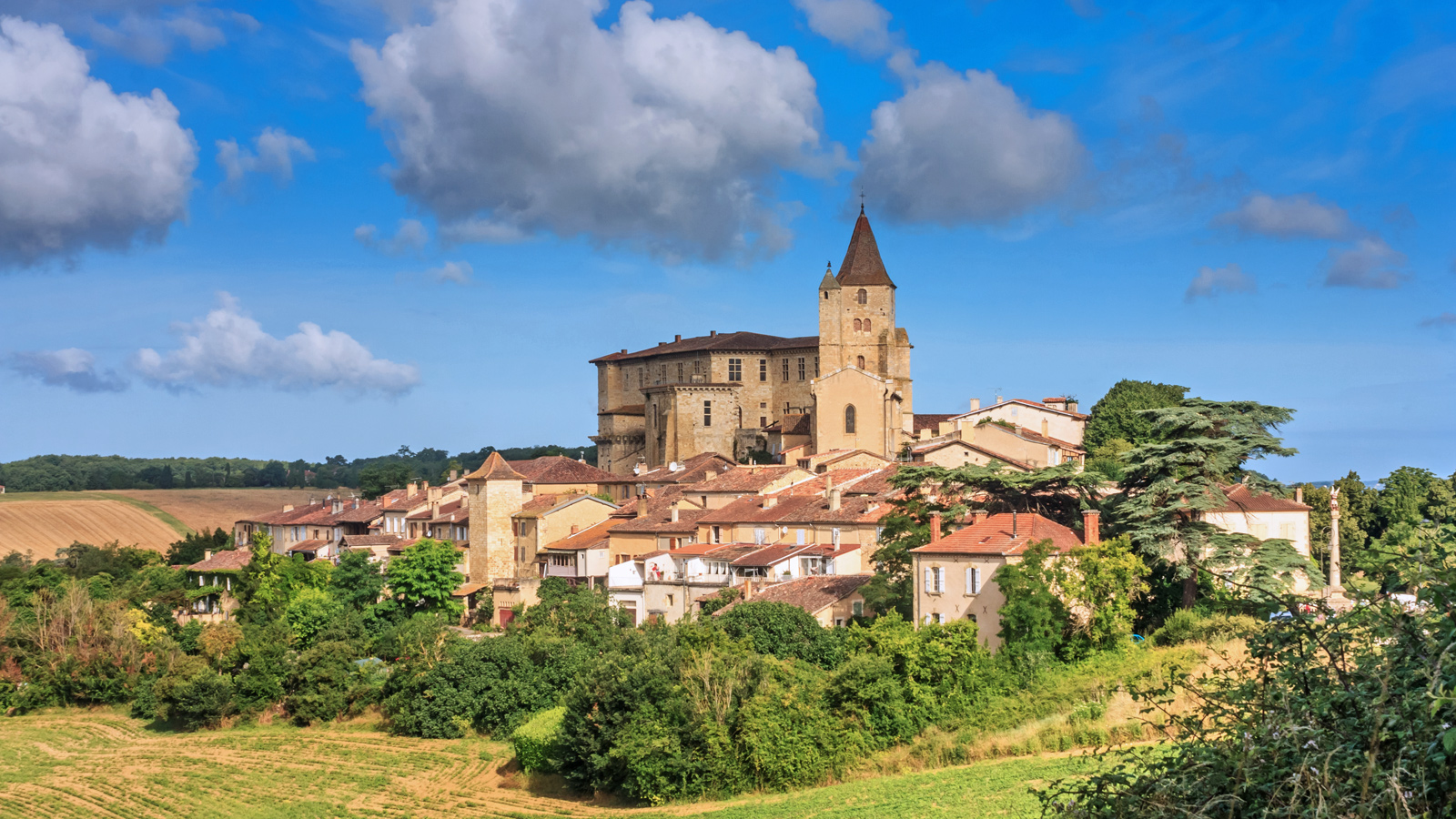
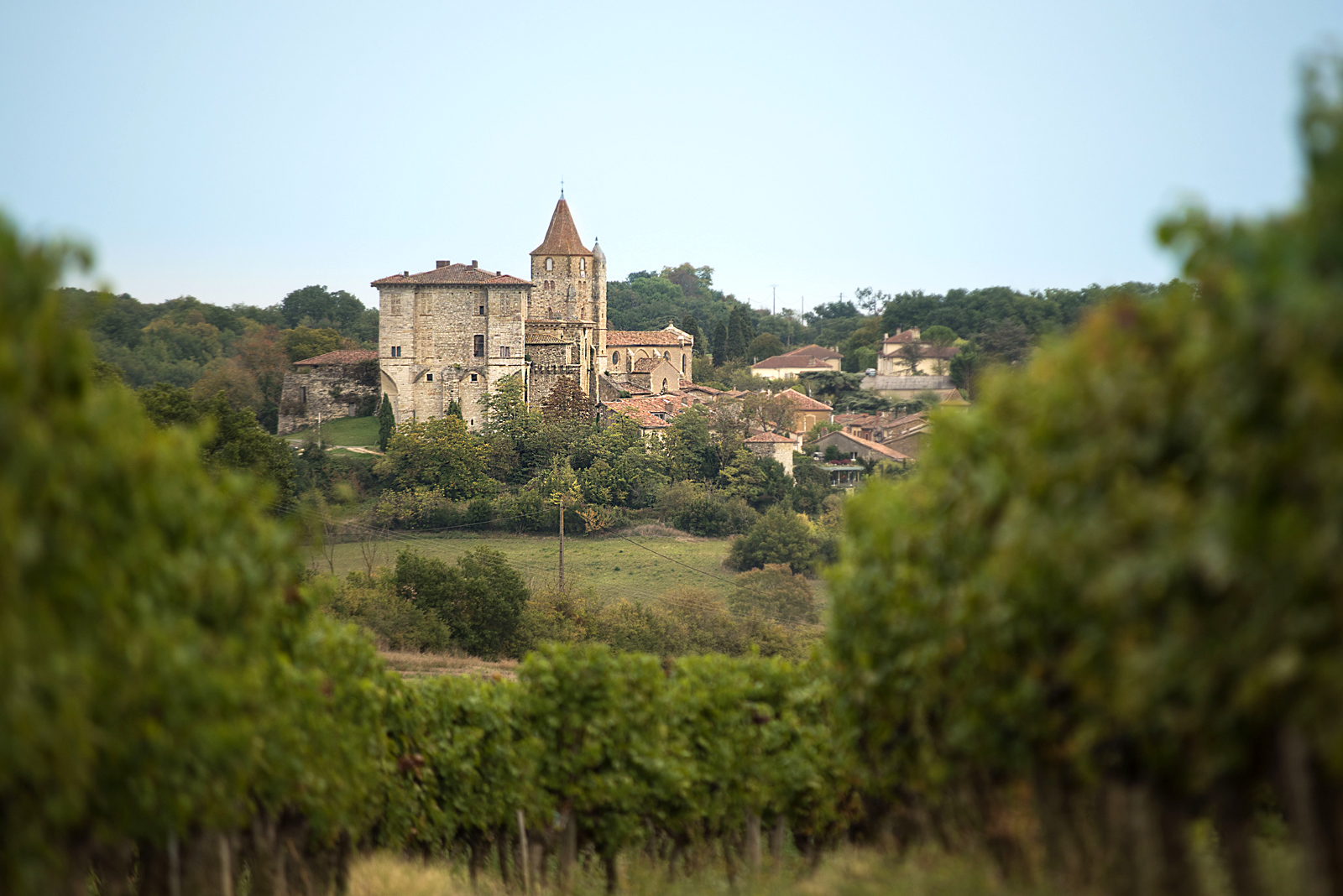
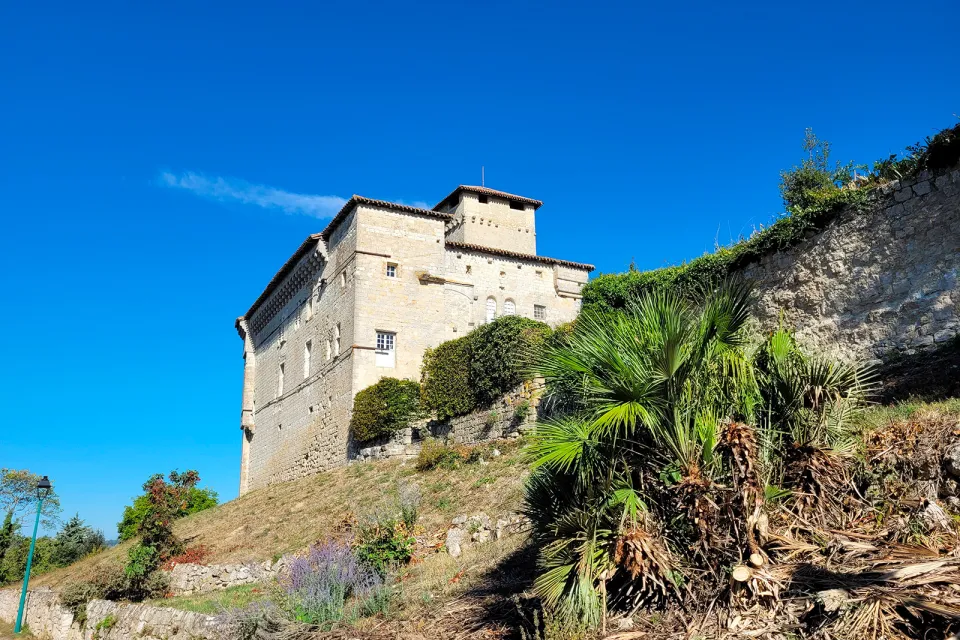
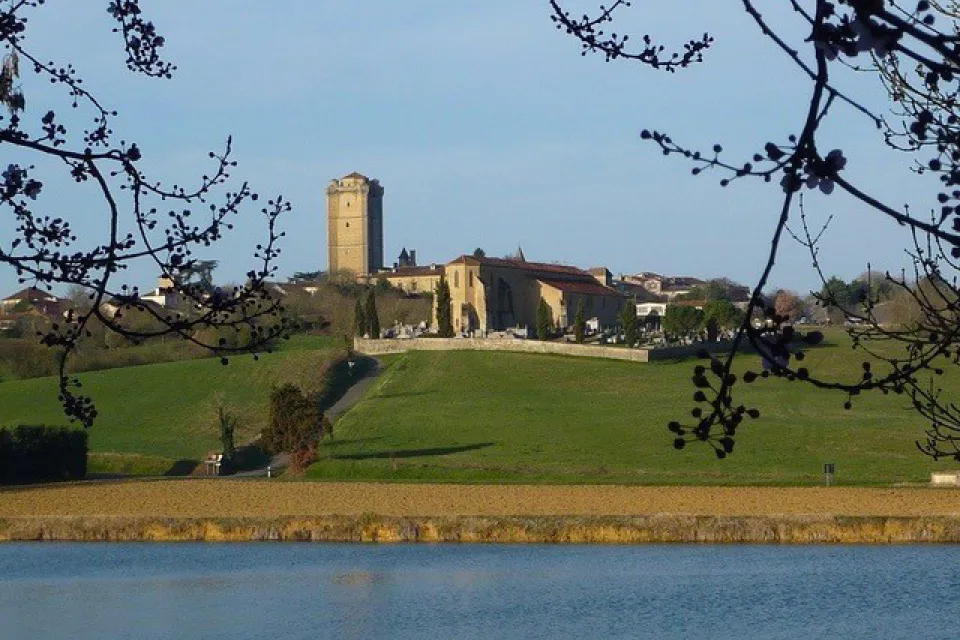
Classified as a Historic Monument in 1961, Lavardens castle was rebuilt by Antoine de Roquelaure, on the ruins of the castle of the Counts of Armagnac. Built on a rocky outcrop, the fortress of the Counts of Armagnac benefited from a vast visual field which allowed surveillance and security. Born from a love story, this castle took its current form with the Marshal of France, Antoine de Roquelaure, who built this building for his young wife, Suzanne de Bassabat. Sometimes a noble residence, sometimes a co-ownership with twelve occupants, its uses and transformations were multiple, the castle has lived many lives and adventures over the centuries. Saved by an association, the Château de Lavardens also features an art center hosting exhibitions and events throughout the season. Camille Claudel, Dali, the art of Santon… so many discoveries each year in the many rooms of the castle.
SUCH A SINGULAR ARCHITECTURE
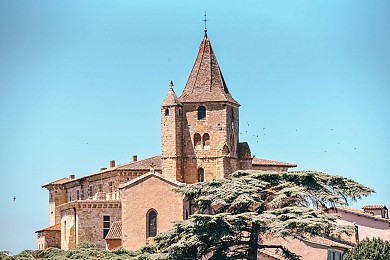
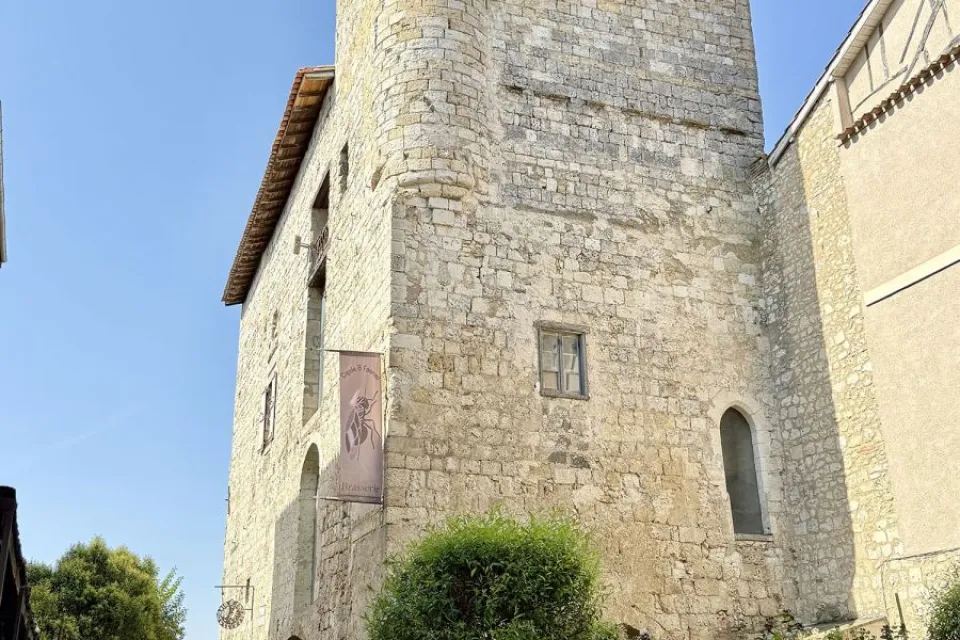
Built on a rocky outcrop, the fortress of the Counts of Armagnac benefited from a vast visual field which allowed surveillance and security. Only a few remains of the medieval castle remain. It is at the western end of the main body of the castle and opposite in the southeast wing that the more important remains of the initial fortress are preserved. In 1620, Antoine de Roquelaure surrounded himself with two great architects: Pierre Souffron, general architect to the king, and Pierre Levesville, one of the architects of Auch Cathedral. The castle uniquely combines the Italian Renaissance style with the maintained feudal posture.
Lavardens Castle attracts attention for its exceptional belvedere, obtained thanks to a balcony developed on three facades, the abundant fenestration of immense windows and overhanging turrets. It was designed to enjoy the widest horizon, it is one of the most beautiful views of Gascony. The west towers, built in the 17th century, rest on the buttresses of the medieval castle. They rise overhanging the corbels or horns. The towers are a true architectural feat of the time. They are only places of passage and allow the galleries to be connected to each other. On the south facade, a wooden gallery rested on stone corbels.
With its imposing appearance, the castle makes few concessions to the decor but it has a beautiful interior decoration: an exceptional set of pavements from the 17th century. The castle has seventeen rooms with different floors. They are made up of pink bricks (local terracotta) and cut stones (local light limestone). The motifs, different in each of the rooms, apparently have a meaning. No other monument is known with such a diversity of pavements.
-
- Français